
How to Start an Emergency Fund on a Low Income

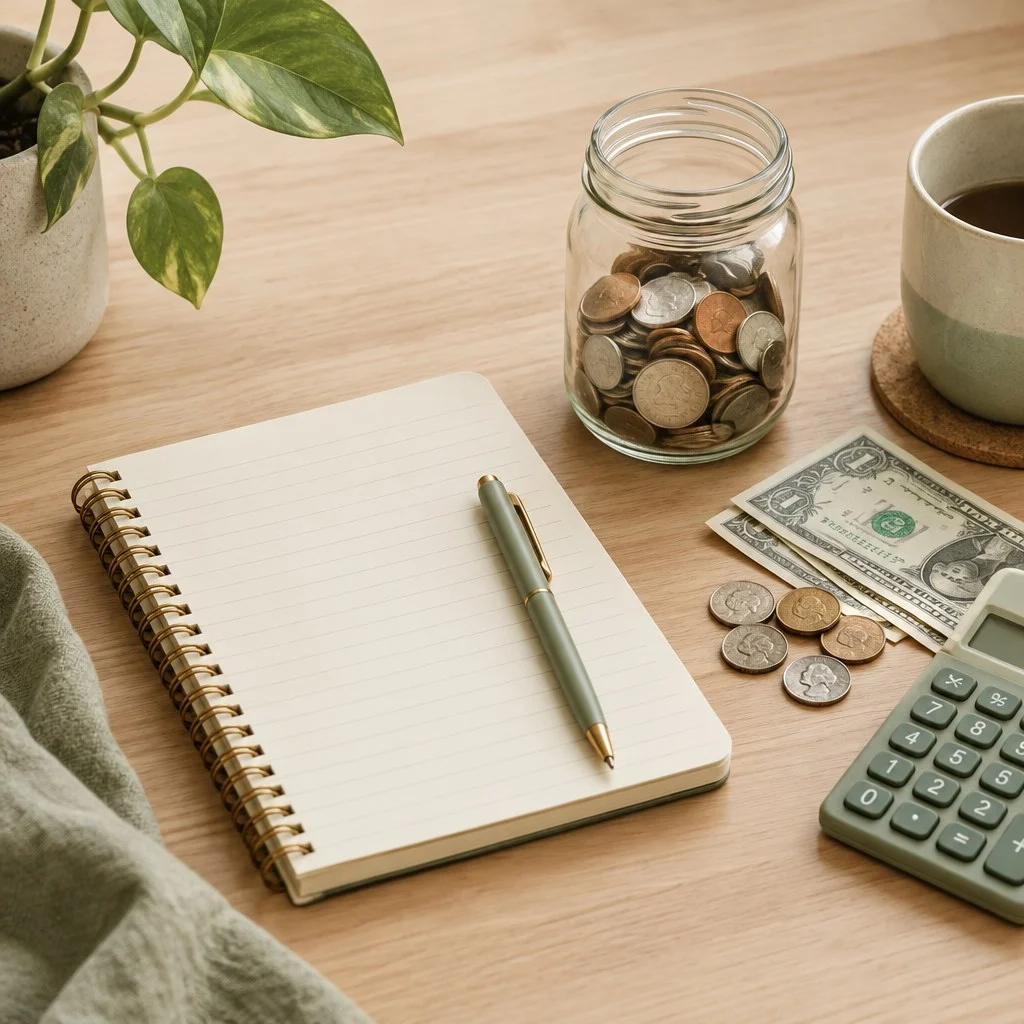
To start an emergency fund on a low income, pick one small, specific goal sized to a single likely surprise. Then save only from money left over after essentials and minimum debt payments, and keep those savings in a separate account you can reach quickly. Small or irregular deposits still count, and even a modest balance can make the next unexpected bill easier to handle.
You don’t need a perfect budget to make a plan. If essentials already use all your income, your first step may be finding support or improving cash flow before setting money aside. This guide covers what counts as an emergency, how to set a realistic first goal, how to find money you can safely save, and what to do if there’s nothing left at the end of the month. The steps are gentle on purpose. There’s no shame in starting with only a few dollars.

What Counts as an Emergency (and What Doesn’t)
An emergency fund covers costs that are necessary, unexpected, and urgent. Think of a car repair you need to get to work, an urgent prescription copay, or a short gap in pay after your hours get cut.
Sinking funds for planned costs
Some costs feel like emergencies but are actually predictable: annual car registration, school supplies, holiday gifts, or a yearly subscription renewal. These belong in a sinking fund, where you set aside small amounts toward a known expense. Keeping the two separate stops your emergency money from slowly turning into a calendar-expense account.
A buffer for seasonal or predictable income dips
If your hours drop every January, or your tips slow down in summer, that dip is predictable too. A small income buffer helps smooth those stretches so your emergency fund stays available for true surprises. If your pay changes from week to week, our guide on how to budget on an irregular income walks through how to plan around it.
Choose a Realistic Starter Emergency Fund Goal
You’ll often hear $1,000 suggested as a first milestone. That target works for some people. On a tight income, though, it can feel so far away that starting seems pointless. It isn’t a requirement.
Instead, think of the one essential surprise most likely to hit you in the next few months and estimate what it would cost. For example:
- A minor car repair or tire replacement
- An urgent care visit or prescription copay
- A utility reconnection fee or deposit
- Rideshare or transit costs if your usual ride falls through
Editorial illustration: if your most likely surprise is a $150 copay or repair, then your starter emergency fund goal is $150. Once you reach it, you can set the next one.
The Consumer Financial Protection Bureau (CFPB) notes that even a small savings reserve can help when something unexpected happens. It also points out that the right size for an emergency fund is personal and depends on your own situation.
Find Your Safe Saving Room
When you save money on a tight budget, the savings should never come from money your household needs. Work out your safe saving room in this order:
- Write down your monthly take-home income. If it varies, use the figure from a lower-earning month.
- Subtract essentials: housing, utilities, food, transportation, childcare, insurance, and medication.
- Subtract the minimum payment on every debt.
- Keep a small cushion for normal price swings.
- Whatever remains is the amount you can safely work with.
If you haven’t mapped your spending yet, the simple budget guide can help you sort essentials from flexible spending.
If the numbers show a deficit
If your essentials and minimum payments add up to more than you earn, you don’t need to save right now. Moving money into savings while bills go unpaid can lead to late fees or shutoffs. Focus here first:
- Ask your utility, phone, or medical providers about hardship programs or payment plans.
- Check whether you qualify for local assistance, benefits, or food and utility help.
- Look for income options that fit your life, such as extra shifts.
Once your income covers your essentials again, come back to the steps above.
Where to Keep Your Emergency Fund
Keep this money separate from your everyday checking account so you don’t spend it by accident, but make sure you can still get to it within a day or two. The CFPB recommends keeping emergency savings somewhere safe that you can access when you need it. Before you pick an account, compare these four features of the options available in your country:
Fees
Monthly or transfer fees can quietly eat a small balance. Look for accounts with little or no ongoing fees.
Minimums
Check for opening deposits or minimum balances that could trigger charges while you’re starting small.
Access
Find out how fast transfers to checking arrive, and whether withdrawals are limited.
Deposit protection
Confirm that the account is covered by your country’s deposit protection scheme.
Investments that can lose value aren’t a good fit for money you might need next week.
Automate Only If It’s Affordable
Automatic transfers take willpower out of the equation, but only when every transfer is safe. On a tight budget, a transfer that goes through before payday could overdraw your account. If you do automate:
- Automate only once your safe saving room has stayed steady for a while.
- Schedule the transfer a day or two after payday, not before.
- Start with the smallest amount you’re comfortable with.
- Set up a low-balance alert on your checking account.
Manual transfers for irregular earnings
If you rely on gig work, tips, or changing shifts, move money only after it lands and your bills are covered. A simple rule might be “after each payday, if essentials are handled, transfer $5.”
ASIC’s Moneysmart recommends choosing a savings goal you can actually afford and keeping track of your progress. Watching the balance grow can help you stay motivated.
A Worked Example (Hypothetical)
This is an editorial illustration, not a real person or a promised result. The dollar amounts are just examples, so adapt them to your own currency and situation.
At $5 per week, with no more one-time additions and no interest counted, it would take 17 more weekly deposits to cover the remaining $85. That’s 21 weeks in total from the first deposit. The example counts weeks rather than calendar months, so the math stays simple.

Use, Review, and Replenish
Spending your emergency fund on a real emergency means it did its job. It isn’t a failure. Afterward:
- Refill it gradually, starting with whatever amount feels safe.
- Pick a regular review date, such as monthly or quarterly.
- Update your goal when your rent, car, or family situation changes.
- Once your starter goal feels solid, choose the next likely surprise to save for.
Over time, some households build toward a larger cushion, often described as three to six months of essential expenses. Treat that as optional context. The right number varies from household to household, and you don’t have to hit it before you start.
Your One-Page Plan and First-Month Checklist
Open any notebook you already have and write down these five things. This is an editorial planning exercise, so keep it simple:
- Essential monthly expenses: your total for needs only
- Likely surprise: the one cost most likely to hit you
- Starter goal: your estimate of what that surprise would cost
- Affordable amount and timing: for example, “$5 after each payday”
- Review date: when you’ll check in on your progress
Simple first-month checklist
- Week 1: List your essentials and work out your safe saving room.
- Week 2: Compare accounts and choose a separate place for savings.
- Week 3: Make your first deposit, however small.
- Week 4: Review your notebook page and confirm your next check-in date.
Next: Build a Budget That Supports Your Fund
Frequently Asked Questions
Should I save or pay down debt first?
It’s a tradeoff between having cash on hand and reducing high-interest costs. Always keep up with priority bills and minimum payments first. A small starter fund can stop you from borrowing again when a surprise hits. Extra money beyond that might go toward high-interest debt, but the right balance depends on your situation. If you’re already behind on payments, contact a qualified nonprofit credit counselor or debt advice service.
Is starting with $5 really worth it?
Yes, if you can spare it after essentials and required payments. A $5 deposit adds to your available cash and can help establish a saving habit. Account opening minimums vary, and $5 alone may not cover an unexpected bill.
What if I need the money before I reach my goal?
Use it if it’s a true emergency. Then start refilling it at a pace that’s comfortable for you. Progress doesn’t have to be a straight line.
Start With One Manageable Step
An emergency fund for beginners starts small: one likely surprise, one realistic goal, and deposits that come only from money you can truly spare. Keep the fund separate and easy to reach, automate only if it’s safe, and refill it without guilt. Your next step is to write your five-line plan today.
Sources
- Consumer Financial Protection Bureau: An essential guide to building an emergency fund
- ASIC Moneysmart: How to start saving
This article is for general education only and isn’t personalized financial advice.